
Young Stand Density and Tending Priority Mapping
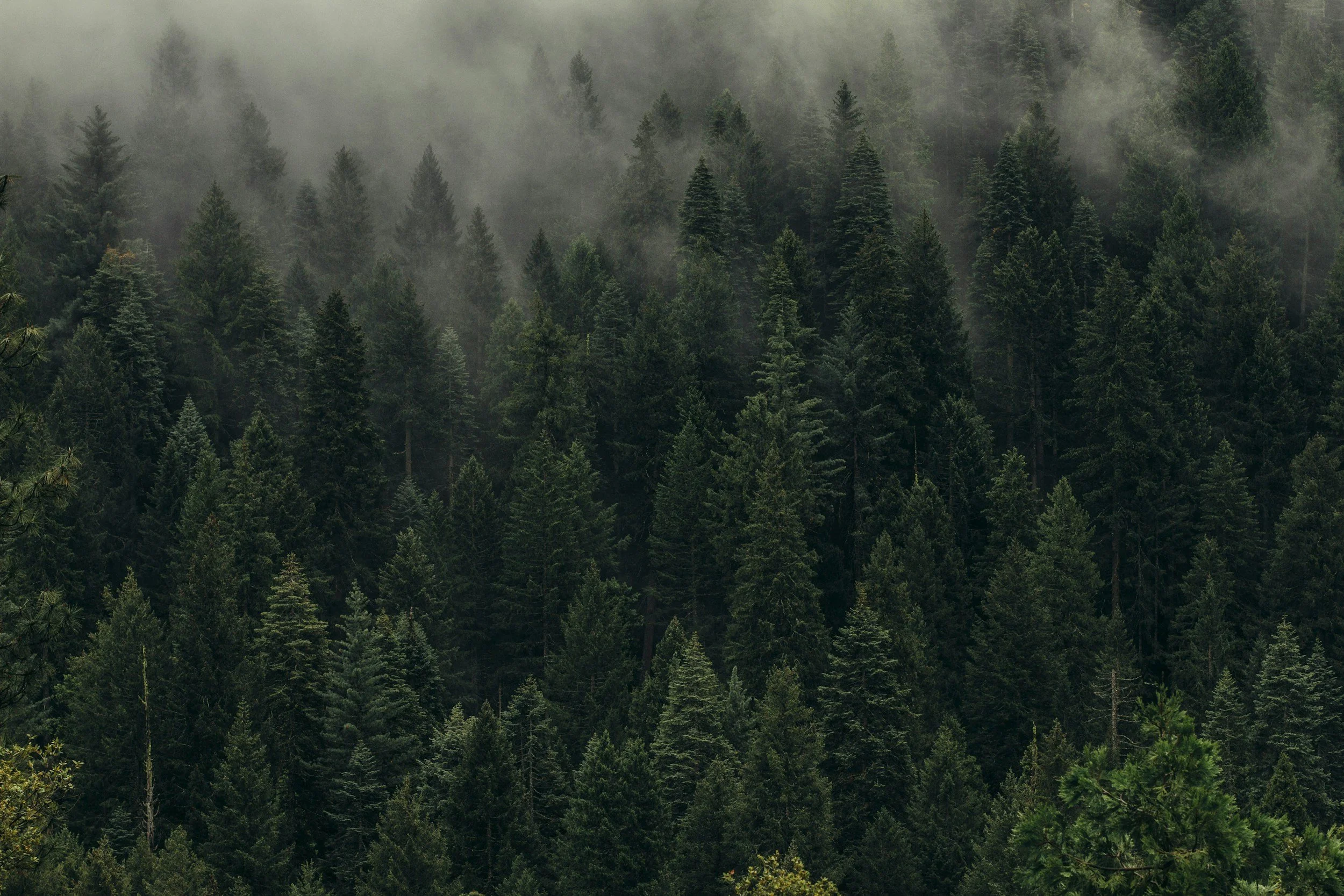
Young stands can vary substantially within the same treatment area. Sample plots may establish average conditions but provide limited information about exactly where density is high, where spacing is acceptable, and where treatment should be concentrated.
The largest potential return comes from avoiding blanket treatment across hectares that do not require intervention.
Illustrative 100-Hectare Scenario
Conventional Assessment
Field assessment, reconnaissance, and mapping: 56 hours
Labour cost: $4,760
Travel and mobilization: $1,000
Estimated assessment cost: $5,760
Drone-Assisted Assessment
Targeted field verification and planning: 32 hours
Internal labour cost: $2,720
Drone capture and analytical delivery: $1,500
Reduced travel and mobilization: $500
Estimated assessment cost: $4,720
Assessment Savings
Estimated cost reduction: $1,040
Estimated percentage reduction: 18%
Labour redirected: 24 hours
Treatment-Scope Example
Assume professional review confirms that only 90 of the original 100 hectares require tending.
At an illustrative contractor rate of $1,500 per hectare:
Original treatment scope: 100 hectares × $1,500 = $150,000
Revised treatment scope: 90 hectares × $1,500 = $135,000
Avoided treatment spending: $15,000
Combined Illustrative Value
Assessment savings: $1,040
Treatment savings: $15,000
Total illustrative value: $16,040
The treatment savings are only realized where professional review confirms that mapped portions of the stand do not require treatment.
Primary ROI Drivers
Fewer field-reconnaissance hours
More accurate treatment boundaries
Reduced unnecessary treatment acreage
Better contractor work maps
Fewer changes after contractors mobilize
Improved planning across variable stands